PER + ACCUSATIVO (persona) es.: Gladio neco. 6 CAUSA: perché? per quale motivo? es.: Per la sua superbia era odioso a tutti. ABLATIVO SEMPLICE oppure OB o PROPTER + ACCUSATIVO. in latino 1 Soggetto Chi fa o subisce l’azione Nominativo 2 Attributo Qualsiasi aggettivo Genere – Numero – Caso. Latino. Grammatica latina. Complementi Latini (2) (11259). per + accusativo traduce: * Il complemento di mezzo (con le persone) * Il complemento di moto per luogo (città o piccola isola)

Alla scoperta dell’ad più accusativo latino tutto quello che devi sapere! Emanuele Rosatelli
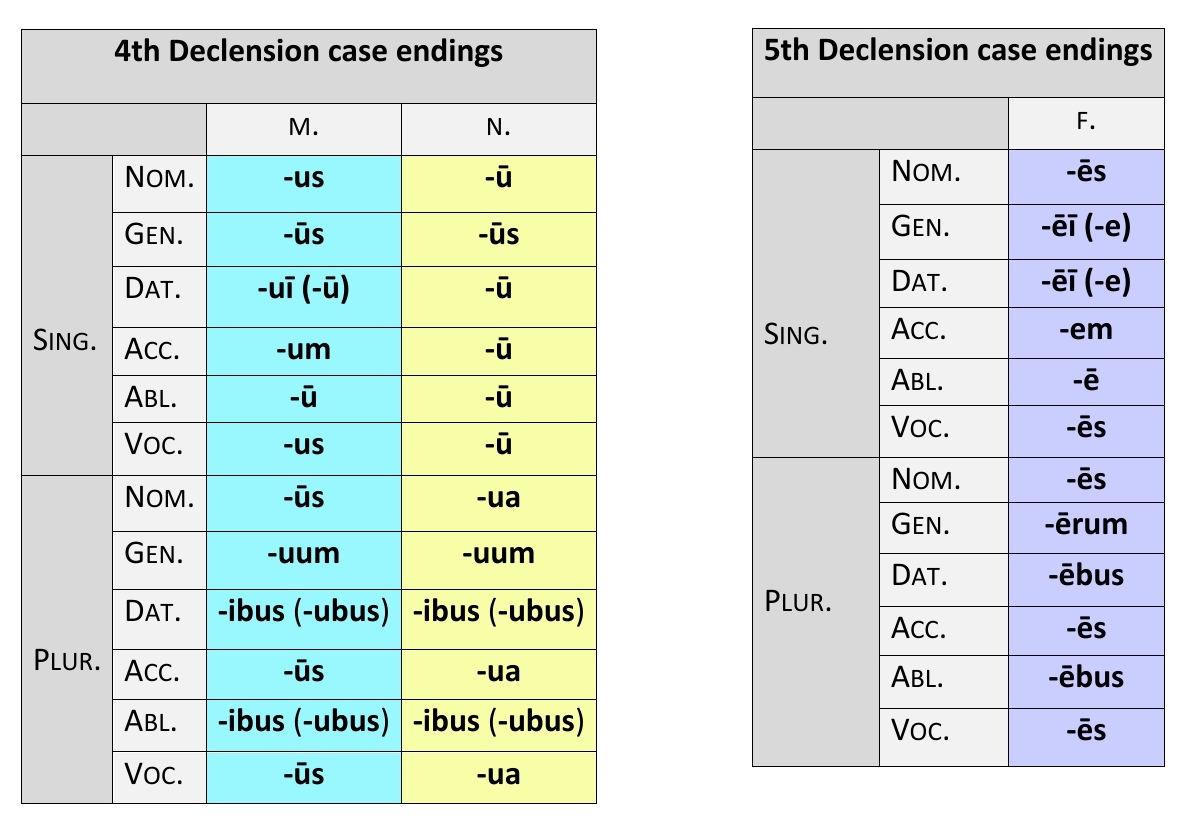
Latin Nouns
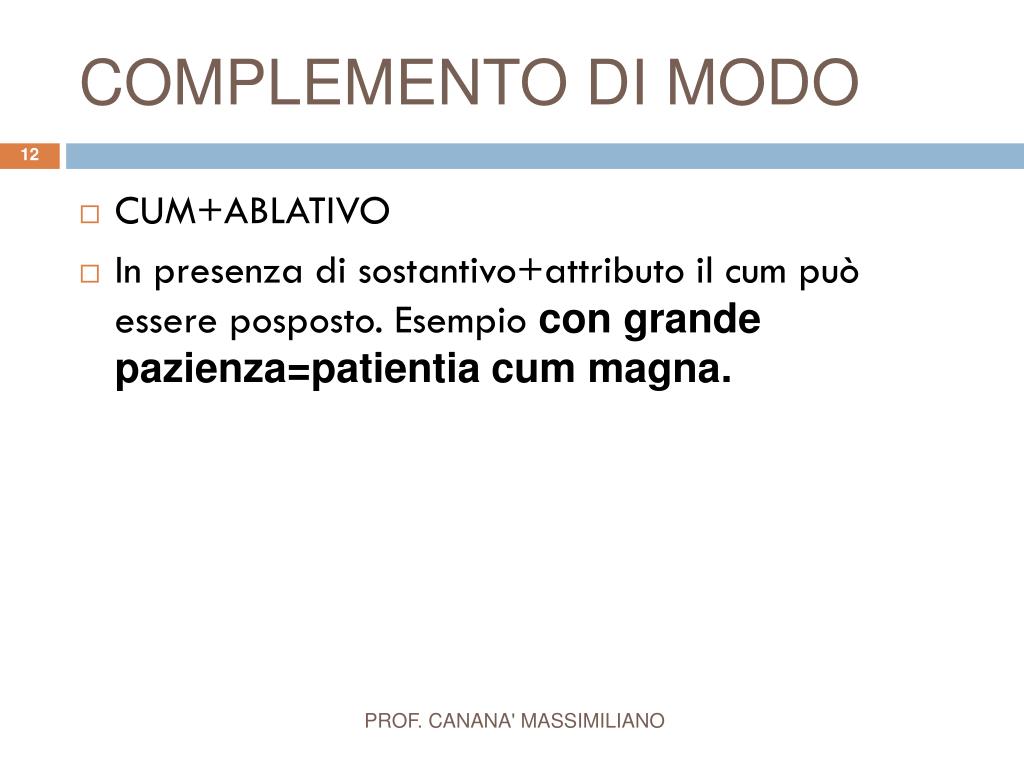
PPT I COMPLEMENTI LATINI PowerPoint Presentation, free download ID5982660
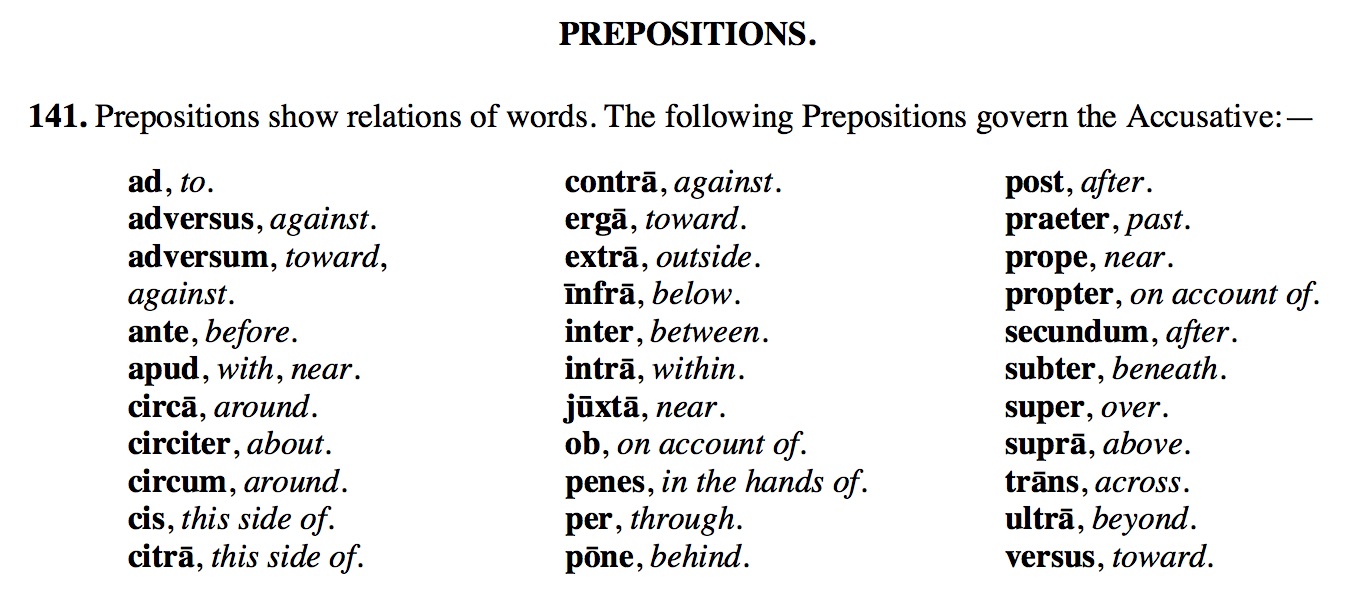
Latin Prepositions — Latin for Rabbits
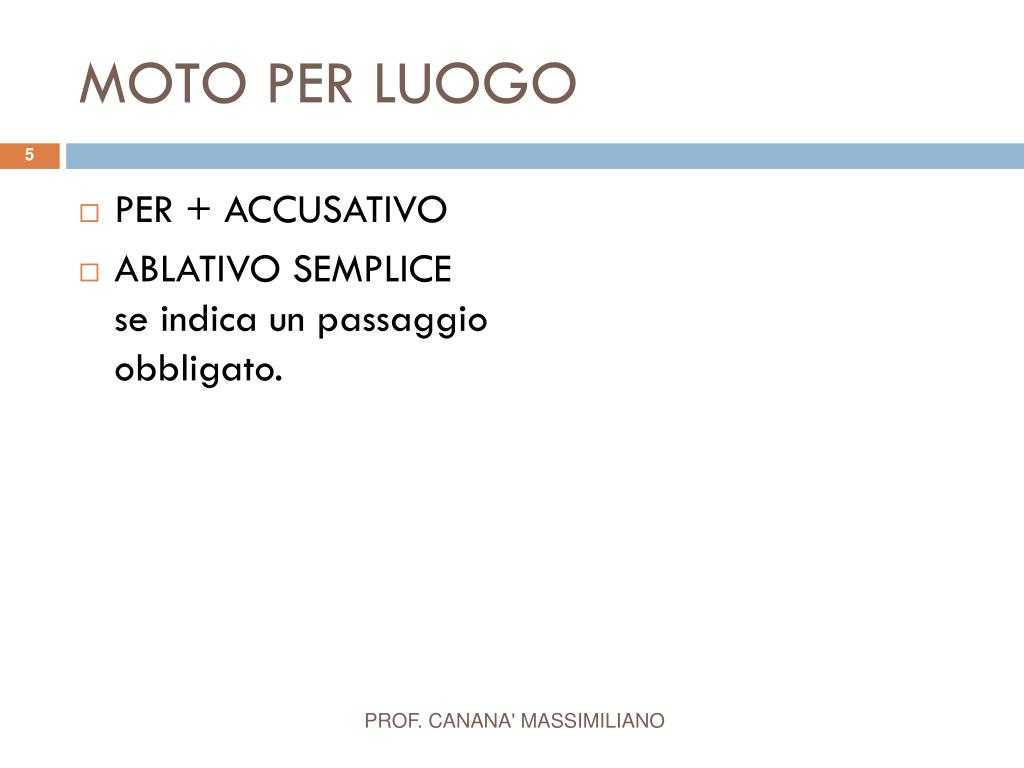
PPT I COMPLEMENTI LATINI PowerPoint Presentation, free download ID5982660

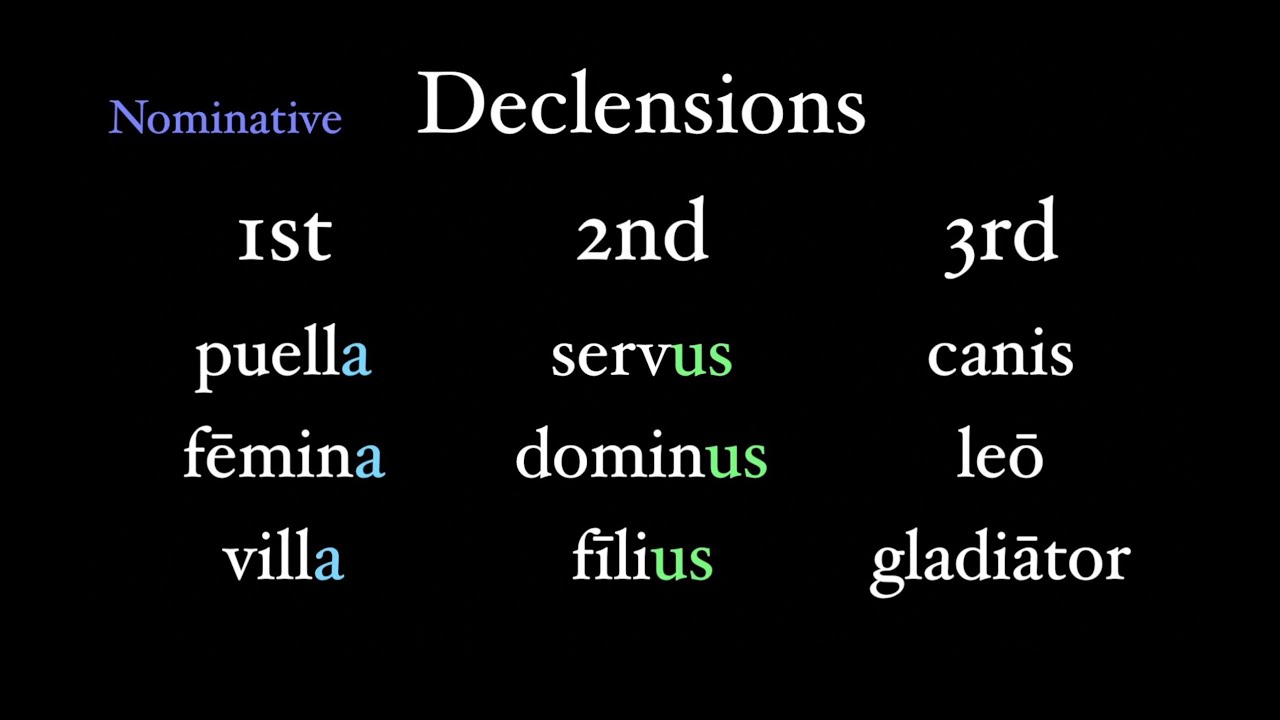
Quali sono le declinazioni latine ilmessaggeero
Cambridge Latin Course Stages 7 12 Lessons Blendspace
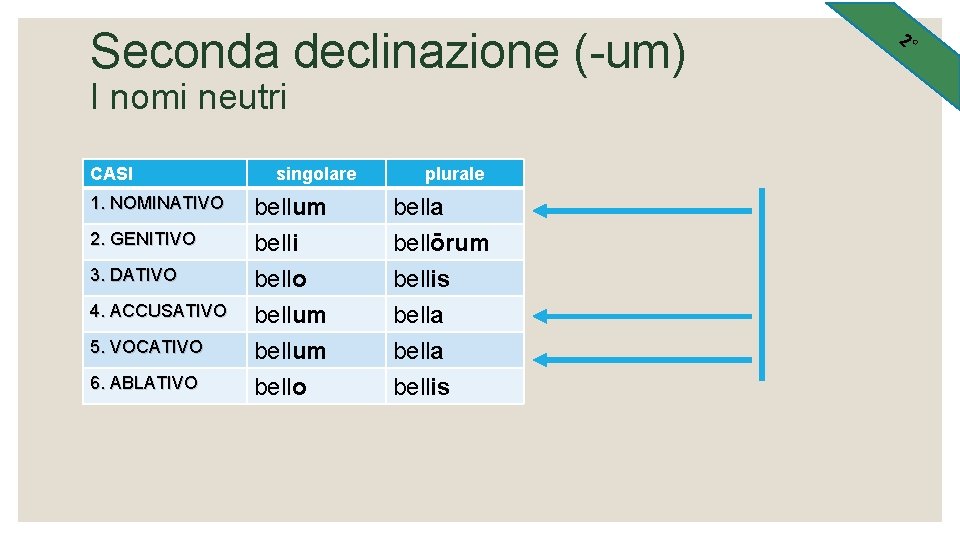
LATINO LE DECLINAZIONI www jessicacenciarelli it LATINO Le

Verwendung von dativ und akkusativ Artofit
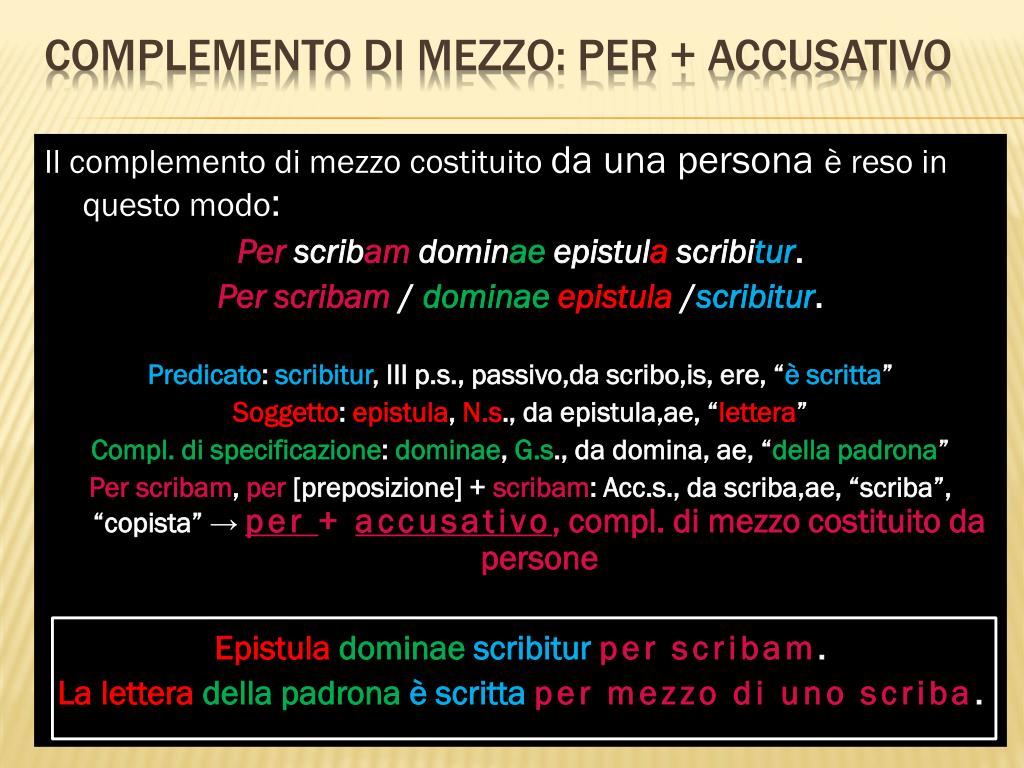
PPT L’ablativo PowerPoint Presentation, free download ID2353028
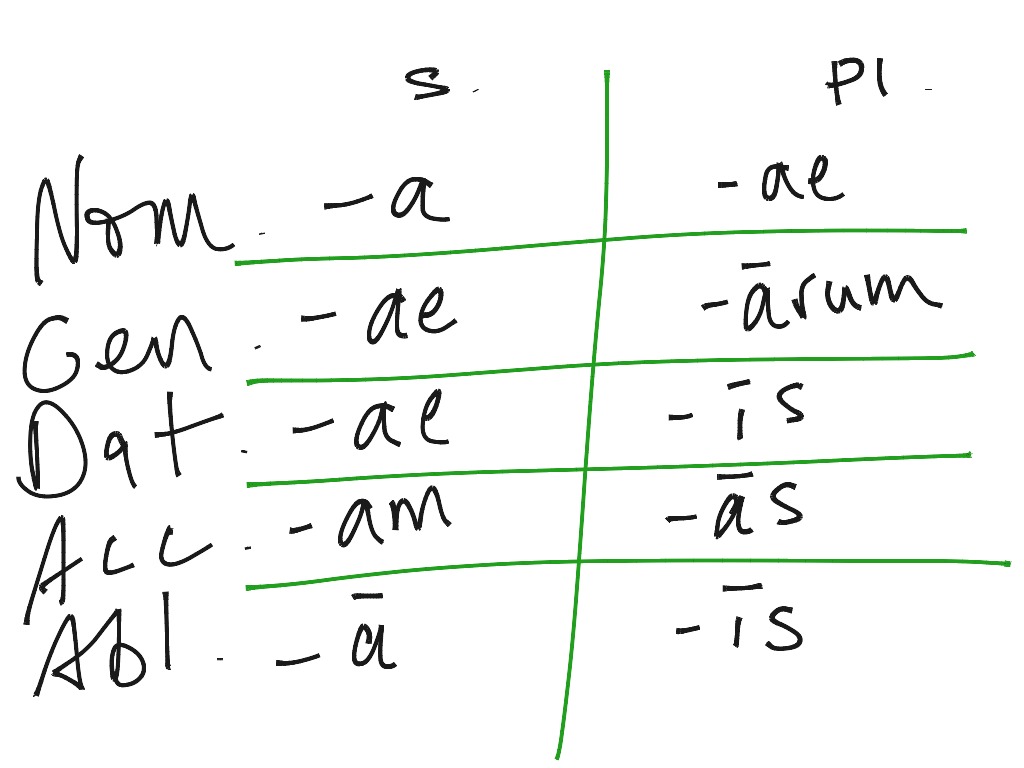
Intro to Nouns (Nominative and Accusative Cases) Language, latin, Latin Grammar ShowMe

LATINO IN SINTESI 1 lezioniignoranti

Latin The 1st Declension nominatives and accusatives Teaching Resources

DOPPIO ACCUSATIVO LINGUE CLASSICHE LATINO GRECO Docsity

Latino Sintassi dei casi Accusativo Docsity

Complementi Latino

Pin su Ideas to understand
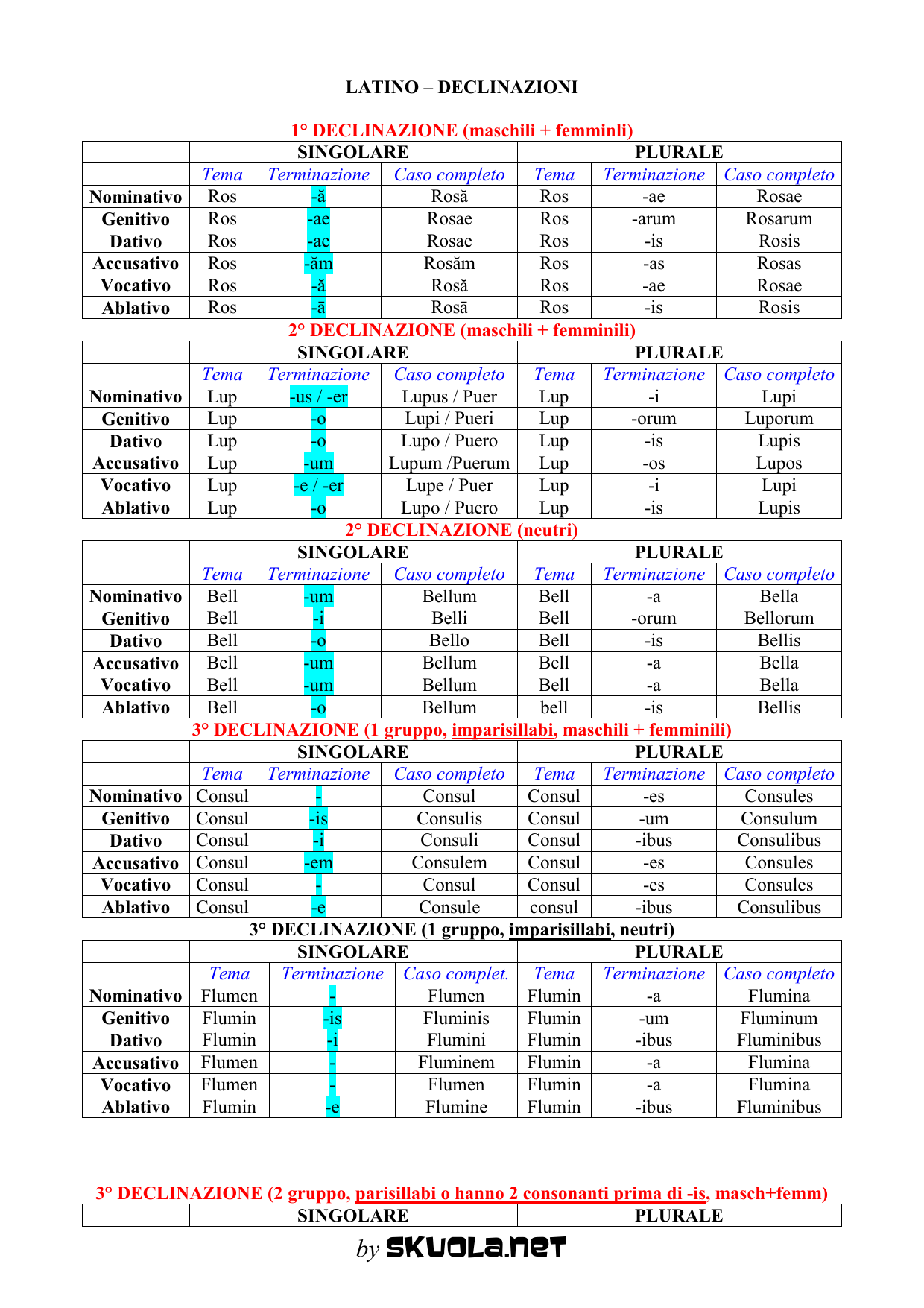
declinazioni

Lezioni di latino verbi con l’accusativo YouTube
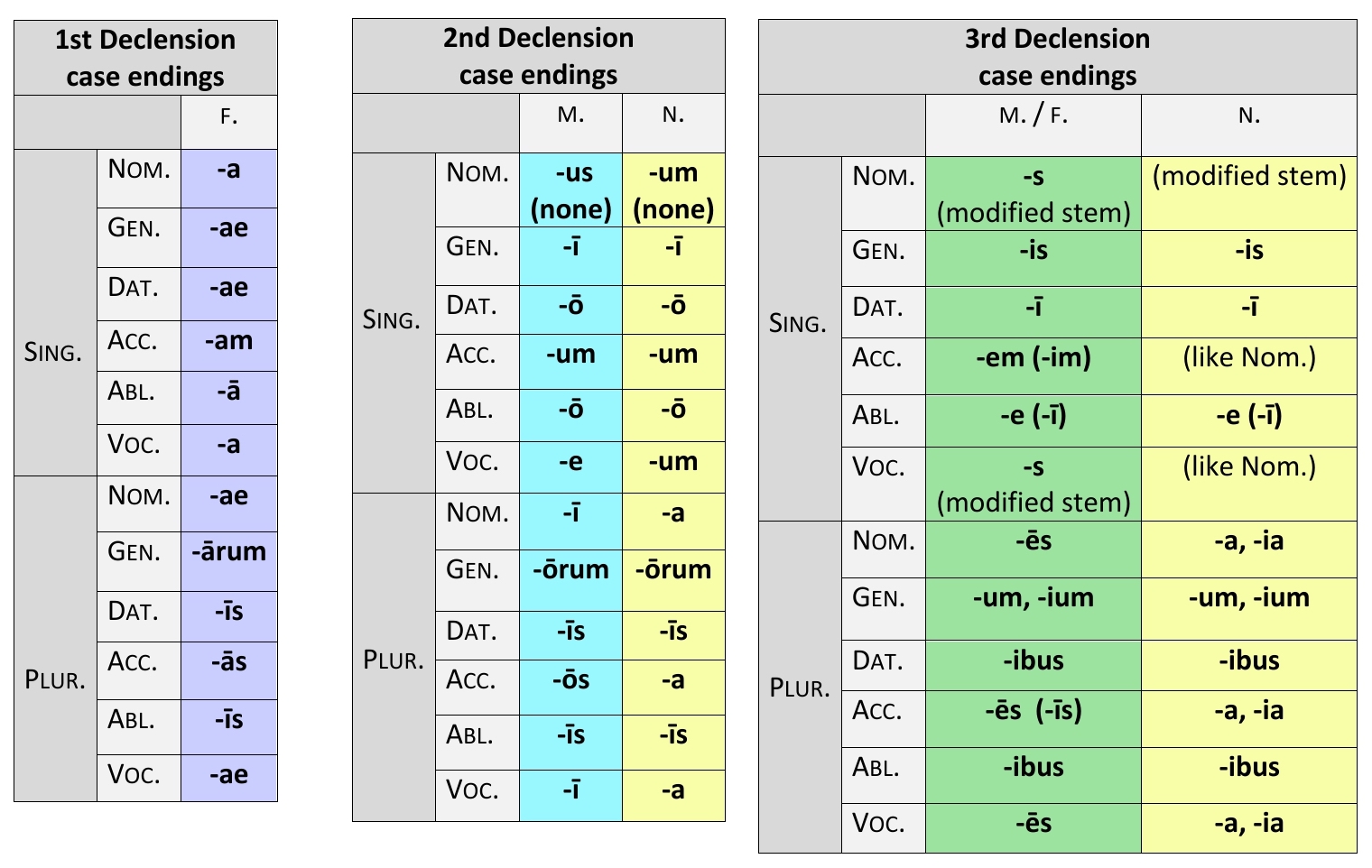
Latin Nouns Telegraph
Locuzioni, modi di dire, esempi per o propter se = per sé, di per sé || accuso propter = accusare a causa di || per o propter excellentiam = per eccellenza || propter misericordiam = per pietà || adsedit propter Tuberonem = si sedette accanto a Tuberone || accuso propter iniurias = accusare di ingiurie || amicitia propter se expetenda est = l’amicizia deve essere ricercata per sé stessa.. Per takes the accusative, but it has mistakenly been used with the ablative. It cites two examples from later inscriptions: Inscr. Miseni Repert. ex a. p. Chr. n. 159; Inscr. Orell. 3300; After some tracking down, I found it in Campania tardoantica (284-604 d.C.). Here is a relevant image from pg. 283: